
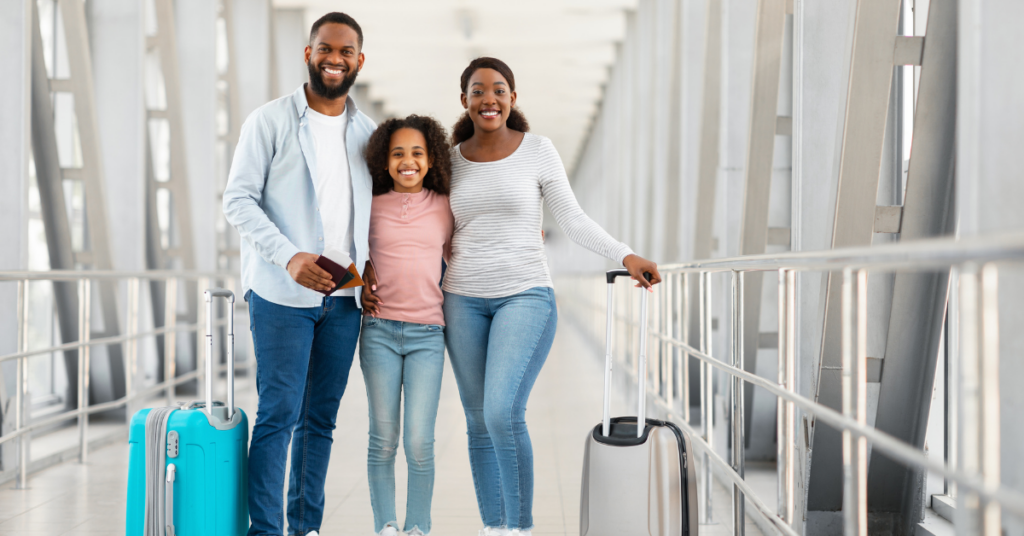
Traveling should be about enjoying your trip, not worrying about the security of your money or personal information.
There are ways to stay safe when traveling, and we’re here to help guide you as you decide what to bring and what to
leave at home. This guide can help you protect your identity and finances with just a few small tasks before you leave
so you can enjoy peace of mind while you’re on holiday.
What Should I Leave Home When Traveling?
Only carry what you truly need. The fewer personal items you travel with, the lower your risk of something getting lost
or stolen.
Leave these items at home or locked in a secure place:
- Social Security card
- Birth certificate
- Checkbook and deposit slips
- Debit card
- Extra credit cards
- Credit card receipts and bills
- Library or store cards you won’t need
💡 Tip: Bring a photocopy of your health insurance card instead of the original and carry an emergency
contact card with a name and phone number.
What Are the Best Ways to Pay While Traveling?
- Cash (small amounts only)
- Traveler’s checks
- Credit cards (limit yourself to one or two)
Credit cards offer stronger protection if they’re lost or stolen, while debit cards connect directly to your bank
account.
How Do I Protect My Mail and Home?
- Request a postal hold through the U.S. Postal Service instead of a vacation hold.
Learn more at: https://holdmail.usps.com/holdmail - Ask a trusted friend or neighbor to pick up mail, newspapers, and flyers.
- Stop automatic deliveries while you’re away.
- Lock up documents that contain account numbers or Social Security numbers.
Prepare Important Documents
- Scan travel documents (passport, ID, visas) and store them in a secure online location.
- Make copies of your itinerary and IDs and leave them with a trusted emergency contact.
- Register for the Smart Traveler Enrollment Program (STEP) at
https://step.state.gov/step for travel alerts and embassy support. - Pay bills ahead of time so nothing is missed while you’re away.
How Do I Keep Documents and Valuables Secure When Traveling?
- Avoid leaving important documents in your car.
- Use hotel room safes for passports, laptops, and valuables. A suitcase is not secure.
- Carry valuables in inside pockets, money belts worn under clothing, or bags worn across the chest.
Use ATMs and Cards Safely
- Use ATMs in well-lit, secure locations.
- Watch for signs of skimming, such as loose card slots or unusual keypads.
- Cover the keypad when entering your PIN.
- Use credit cards when possible for added fraud protection.
Be Alert in Public Places
- Be mindful of pickpockets, especially in crowded tourist areas, public transportation,
restaurants, and hotel lobbies. - Avoid discussing sensitive information in public places.
- Keep purses close to your body and never hang them on restroom door hooks.
Protect Your Digital Information
- Avoid using public computers for banking, shopping, or email.
- Use caution with public Wi-Fi and only access sensitive accounts on secure connections.
- Store sensitive personal or financial information on devices only if they are fully secure.
Traveling by Plane
- Keep personal items in the overhead bin across the aisle so you can see them.
- Make sure your belongings move through airport security at the same pace you do.
- Avoid packing personal documents in checked luggage.
Have a Backup Plan
- Carry photocopies of important documents in a separate location from the originals.
- Know what to do if your passport or credit cards are lost or stolen.
- Keep important phone numbers handy in case you need immediate assistance.
Think Before You Post Online
Sharing travel photos in real time tells people where you are and where you aren’t.
Consider waiting until you’re home to share your trip online.